
Dr. Andrew G. Wagner currently works as a postdoc in the lab of Dr. Vern L. Schramm at the Albert Einstein College of Medicine researching inhibition of human enzyme 2′-Deoxynucleoside 5′-monophosphate N-glycosidase 1 (DNPH1) by transition-state inhibitors as a means of resensitizing PARP-resistant BRCA-deficient cancers to conventional PARP inhibitor therapeutics. DNPH1 is a highly specific N-glycosidase that prevents mutagenesis by destroying epigenetically modified nucleotide hmdUMP, preventing it from entering the DNA precursor pool. In BRCA-deficient tumors that have developed resistance to PARP inhibitors, DNPH1 deletion restores sensitivity by increasing hmdUMP incorporation into DNA, thereby enhancing PARP entrapment at sites of hmU-induced strand breaks. Chemical inhibition of DNPH1 by protected transition-state analogs will be measured by sensitization of BRCA-deficient cancers to standard PARP inhibitor treatments in cellular and mouse tumor xenograft models. Andrew earned both a BSc in Biochemistry and PhD in Chemistry with a focus in biological models from SUNY Binghamton, where he conducted research under the supervision of Dr. Brian Callahan.
“Why did you want to become a scientist, and when did you know this was your path?”
I was diagnosed as a Type 1 diabetic at the age of 18 while I was studying biochemistry as an undergraduate. During this time, I learned of the work of Sir Frederick G Banting, as well as the hundreds of other biochemists, that were able to ultimately translate their scientific exploration to bring life-saving insulin therapy to my hands. I decided then to pursue a career in research, joining the lab of Dr. Brian Callahan shortly after, and decided to continue into a graduate degree. Since starting research, working at the forefront of science on therapeutics and human disease is a career path that I am exceptionally grateful to participate in. My current work in the lab of Vern Schramm allows me to work closely with a multitude of cancer types, designing and testing exceptional chemical inhibitors as novel and cutting-edge cancer therapies. As I continue to learn and work in this field, the landmark biochemistry techniques for the development of insulin that would save my life nearly one hundred years later, still serve as a humbling inspiration for my projects to study and characterize these medically relevant proteins.
Merrill Asp received his PhD in Physics from Syracuse University, studying how bacterial collectives mechanically sense, respond to and shape their environment with Prof. Alison Patteson. He has continued developing his skills as an experimental biophysicist in the lab of Prof. Jing Yan, developing new microscopy tools and quantitative analysis methods to study the defensive structures that bacteria naturally self-assemble. His current work seeks to understand how these bacterial structures prevent the attachment of other bacteria, which can unlock new strategies to combat the medical and industrial problems of infection and biofouling.
“Why did you want to become a scientist, and when did you know this was your path?”
I have been interested in science since I was very young, growing up with a garden in my backyard and electronics to tinker with inside. In my teenage years, I read about how we study the universe with the powers of observation and mathematical reasoning, and I realized I wanted to pursue physics. With the support of family and great teachers, I decided on that path for myself by the time I made it to college.
Dr. Chiara Falcomatà investigates how tumor–microenvironment interactions shape immune evasion and therapeutic resistance in pancreatic ductal adenocarcinoma (PDAC). Her research integrates spatial functional genomics, multiplexed imaging, and spatial transcriptomics to uncover how tumor-intrinsic programs remodel the extracellular matrix and organize local immune niches in vivo. Through this work, she aims to define gene-specific mechanisms that drive spatially organized immunosuppression and clonal evolution in solid tumors. She obtained her BSc and MSc in Molecular Biotechnology from the University of Turin and earned her PhD at the Technical University of Munich under the supervision of Prof. Dieter Saur.
“Why did you want to become a scientist and when did you know this was your path in life”
I have long been motivated by a desire to understand how complex biological systems function beneath the surface, an interest that took shape through my early academic training. This focus became more defined during my first year of university, when courses in genetics and molecular biology introduced me to the molecular basis of cancer and showed how subtle genetic and epigenetic changes can profoundly disrupt normal cellular organization. Wanting to explore these mechanisms firsthand, I sought out early research experiences, where I learned to translate biological questions into experiments and observations into understanding. Through this process, I realized that this was the kind of work I wanted to do, and from that point on, it became clear that pursuing a career as a scientist was the path I wanted to follow.
Dr. Gattoni’s research aims to understand the evolution of neuron diversity in the brain. As a postdoctoral fellow in the lab of Prof. Maria Antonietta Tosches, he focuses on forebrain interneurons—an exceptionally diverse class of neurons with fundamental roles in the modulation of brain circuits. Altered development or activity of interneurons is linked to cognitive impairment and neuropsychiatric disorders. By comparing interneuron diversity across a wide range of vertebrates, including mammals, birds, reptiles, amphibians, and fish, he seeks to identify which neuron types are evolutionarily ancient and conserved, and which are unique to specific lineages. This comparative approach can provide an evolutionary framework to study neuronal vulnerability and neuropsychiatric disorders. Dr. Gattoni received his B.Sc. in Biological Sciences from the University of Pavia and his M.Sc. in Evolutionary Biology from the University of Milan, Italy. He then joined the lab of Dr. Elia Benito-Gutierrez at the University of Cambridge, UK, where he completed his PhD in Zoology in 2023 studying the evolutionary origin of the vertebrate brain.
“Why did you want to become a scientist, and when did you know this was your path?”
I have been fascinated by animal diversity since I was young, and I remember loving to browse the animal encyclopedia we had at home. This curiosity developed into a broader interest in science during school, which led me to study biology, but it was during my undergraduate degree that I became truly fascinated by evolution and by its power to explain the origins of biological diversity. Working on my B.Sc. thesis, I then experienced the joy of research and discovery, and began to appreciate the beautiful complexity of the nervous system. This combination convinced me that I wanted to pursue a career studying the evolution of the brain. My motivation strengthened further as a graduate student, when I experienced the amazing intellectual engagement that comes from carrying out and discussing scientific research. In parallel, I became interested in teaching and in communicating science, which continue to be central motivations in my scientific career.
My name is Erik Zupa, and I am currently a postdoctoral researcher at Molecular Biology Department of Princeton University working in the group of John Jimah. My academic studies started at Masaryk University in Czech Republic where I got degree in Biochemistry. Then I did my graduate studies in field of molecular biology at Heidelberg University in Germany. My current postdoctoral research focuses on two aspects. First one is understanding of mitochondrial fission mediated by dynamin proteins in Toxoplasma gondii. Organelle fission is an essential process during a cellular division of T.gondii. While most of the eukaryote has multiple copy of major organelles, T. gondii possesses just one mitochondrion and apicoplast (Apicomplexan specific organelle) that need to be divided during division into both daughter cells. Using cryo-electron microscopy and biophysical methods I am uncovering mechanism of T.gondii dynamin-related proteins behind organelle fission. Getting insights into activity and structure of these proteins using in-vitro system with liposomes will shed a light on how these fission events undergo in cellular environment. The second aspect of my work focuses on the Human Cytomegalovirus-mediated mitochondrial remodeling in the host cells. HCMV is a respiratory virus with an unique mechanism of modulating mitochondrial metabolism of host cell during infection, increasing its bioenergetics. To get a good look at the reason of increase mitochondrial bioenergetics I employ cryo-electron tomography that provides details of mitochondrial shape and shape of their cristae. By comparing mitochondrial morphology between uninfected cells and infected cells during span of infection we can get a better picture behind changes of mitochondrial metabolism.
“Why did you want to become a scientist, and when did you know this was your path?”
Science is for me as a vast sea of unexplored phenomena. Being scientist, molecular biologist in my case, for me is an opportunity of a lifelong learning, exploring and understanding of life on cellular level. Getting small details that have a huge implication on a big scale level from human health, animal behavior to plant growth. All is controlled and decided on cellular level thus understanding mechanism behind cellular processes has a potential to lead to new biotechnologies and drugs. But all of it started for me at high school where I get a first small taste of basic knowledge in molecular biology in classes of biology and chemistry.
Veronika Horn is a postdoctoral associate in the Sonnenberg Laboratory at Weill Cornell Medicine. She earned her medical degree from the University of Freiburg, where her experimental doctoral thesis on DNA damage signaling in macrophage differentiation was awarded summa cum laude. During her clinical residency at Charité Berlin (Department of Gastroenterology, Infectiology, and Rheumatology), she discovered a novel biomarker for predicting non-response to biologic treatment in inflammatory bowel disease (IBD). Her current research explores how immune cells spatially organize to enforce tolerance and restrain inflammation in the gut. Dr. Horn’s long-term goal is to establish an independent laboratory with focus on mucosal immunology and IBD.
“Why did you want to become a scientist, and when did you know this was your path?”
My journey to becoming a scientist was rather unintentional and non-linear. While I’ve always been happiest when discovering something new, I found it hard to narrow down my interests into a single career path. I finally chose to become a medical doctor but realized during my residency that clinical practice is often limited by longstanding paradigms and significant gaps in scientific knowledge. Ultimately, thanks to generous funding throughout my career, I found my place in the Lab where I apply basic immunology techniques to address translational questions in depth.
I earned my Bachelor’s degree in Biology at Université de Versailles Saint-Quentin-en-Yvelines, then completed a Master’s in Genetics (Magistère Européen de Génétique) at Paris Diderot University. I went on to earn a PhD in Genetics at Sorbonne Université, conducting my doctoral research at the Institut de Biologie de l’École Normale Supérieure in the laboratory of Olivier Hyrien, where I studied DNA replication dynamics in Saccharomyces cerevisiae using nanopore sequencing. This work contributed to the development of nanopore-based single-molecule methods to profile replication timing and replication fork progression. I am currently a Postdoctoral Associate at New York University in the laboratory of Duncan Smith. My research focuses on understanding how, when, and why transcription–replication conflicts arise, and how they contribute to replication stress and genome instability, by developing and applying high-resolution nanopore sequencing approaches to map these events in vivo.
“Why did you want to become a scientist, and when did you know this was your path?”
I have loved science since I was young, and by high school I knew I wanted to become a scientist. Biology felt like the most direct way to connect my curiosity to real mechanisms in living systems, so in college I naturally focused on biology and genetics. What especially drew me in was DNA as a physical medium for information, a form of data storage, and the idea that a molecule can encode, transmit, and regulate instructions. Over time, I realized I genuinely enjoy the day-to-day practice of doing science, which led me to pursue a PhD and is why I’m continuing this path as a postdoctoral researcher.
Dr. Miller’s science focuses on understanding how the chromatin environment regulates genome instability, a hallmark of all cancers. During her Ph.D., Dr. Miller characterized an unexpected role of an essential transcription-associated chromatin regulator in DNA replication and genome stability. In her current work, she investigates how the Fanconi anemia DNA repair pathway regulates DNA lesion excision to permit replication. She earned her B.S. in biochemistry from the University of Rochester and her Ph.D. from Harvard University in the laboratory of Dr. Fred Winston. She is currently a postdoctoral researcher at The Rockefeller University in the Laboratory of Genome Maintenance.
“Why did you want to become a scientist, and when did you know this was your path?”
I was fortunate enough to have the opportunity to try science research as a high school student. Despite spending the summer in a hot laboratory that reeked of bacteria, I knew it was what I wanted to do. I loved learning by experimentation with my own hands and having the opportunity to get lost thinking about how our cells work. Having had this pivotal experience, I work to be a mentor for young female scientists so that they too can be inspired by the chance to create new knowledge.
I am a postdoctoral researcher with a PhD in Cell and Molecular Biology from Rutgers University. My research focuses on sensory neuron biology, particularly how TRPV1-expressing dorsal root ganglia (DRG) neurons regulate systemic metabolism and adipose tissue function. Using techniques such as viral-mediated gene deletion, qPCR, RNAscope, and tissue clearing, I investigate how neural circuits influence thermogenesis/inflammation. My long-term goal is to contribute to the development of novel therapeutic strategies targeting neuro-metabolic pathways in obesity and metabolic disease.
“Why did you want to become a scientist, and when did you know this was your path?”
I became a scientist in part because of the strong encouragement from early mentors I had the opportunity to work with, who recognized my potential before I fully saw it in myself. As I spent more time in the lab, I found myself drawn to the process of asking questions, troubleshooting experiments, and pushing through challenges. I fell in love with the intellectual rigor and persistence that science demands, as well as the excitement of discovering something new. Over time, that initial encouragement evolved into a genuine passion, and I knew I wanted to pursue a path where I could contribute to advancing knowledge and improving human health.
My research focuses on understanding how peripheral immunity in middle-aged adults with a parental history of Alzheimer’s disease (AD) contributes to an increased risk of AD and AD progression across racial and ethnic groups. The goal is to identify therapeutic and intervention targets before clinal AD onset. I received my undergraduate degree in biology from the University of Missouri-Columbia and a PhD in Neuroscience from the University of Kentucky.
“Why did you want to become a scientist, and when did you know this was your path?”
I initially planned to become a veterinarian because of my love for animals. I had little exposure to research before college, but during undergrad, after shadowing in clinics and realizing it wasn’t the right fit, I began exploring other paths. Joining an NIH-sponsored program introduced me to biomedical research, where I discovered a genuine curiosity for understanding disease and the immune system. That experience, along with strong mentorship and early research opportunities, is when I realized science was my path, especially as I saw the impact I could have both through research and by supporting diversity in STEM.
Kevin Guzman, MD, is a Pulmonary and Critical Care Medicine fellow at Columbia University Irving Medical Center and a physician–scientist focused on tuberculosis (TB) and HIV. His research integrates socio-ecological, behavioral, and biological data to improve early risk stratification and treatment outcomes for people with drug-resistant TB and HIV. Using approaches from implementation science, machine learning, and high-throughput plasma proteomics, his work aims to move beyond traditional sputum-based monitoring toward precision public health strategies that enable earlier, individualized intervention in vulnerable populations.
“Why did you want to become a scientist and when did you know this was your path in life?”
I first became interested in science as a Peace Corps Volunteer in Moma, Mozambique. There, I witnessed how HIV profoundly limited people’s ability to live healthy, stable lives, and how even a curable disease like tuberculosis became difficult to treat in the setting of low health literacy, limited access to care, and widespread mistrust of medications that undermined adherence. Seeing patients fail treatment not because therapies did not work, but because social, structural, and biological barriers were overlooked, made it clear to me that I wanted to become a scientist. I knew this was my path when I realized that rigorous, patient-centered research could generate evidence to design more equitable, effective interventions.
Robert is an NIBIB F32 postdoctoral fellow and a BWF/Revson PDEP Scholar. He is currently mentored by Santiago Correa, in the Department of Biomedical Engineering at Columbia University. Robert’s research focuses on developing biomaterials for cellular immune engineering. These materials, such as injectable hydrogels, are engineered to present signals to recruit and modulate immune cells. Robert is particularly interested in exploring the roles of glycan-based signals to direct immunity. Prior to joining the Correa lab, Robert earned his PhD in Chemistry at Georgia Tech, where he worked under Dr. M.G. Finn on chemical strategies to engineer protein nanoparticle-based vaccines and nanomedicines. He received his BA in Chemistry from the New College of Florida.
“Why did you want to become a scientist, and when did you know this was your path?”
I had no real concept of academic research or any clue what a career as a scientist might look like before attending college. I happened to gravitate towards science after a formative experience in organic chemistry during my first year, and I was fortunate to secure a position as an NSF-REU summer student the following year. My time spent in a synthetic biology that summer, and my experiences in research throughout the rest of my time in college, solidified my decision to ultimately go to graduate school. I have since been fortunate enough to be surrounded by supportive mentors and peers, and to work on collaborative and interdisciplinary projects in chemical biology and immune engineering. I am interested in developing biochemical tools to probe the immune system, and aspire to run an independent research group working in this area.
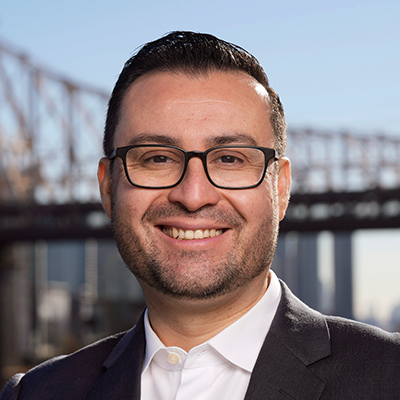
As an anesthesiologist and immunologist, Dr. Jim Castellanos seeks to understand how immune cells promote skin wound healing and regeneration in critically ill burn patients. He is currently a Van Poznak Research Scholar and Assistant Professor of Anesthesiology at Weill Cornell Medicine and an Instructor in Clinical Investigation in Elaine Fuchs’ lab at The Rockefeller University. He earned a BA in Biology from Claremont McKenna College and his MFA in Creative Writing from the University of Arizona. He completed his MD-PhD at the Weill Cornell/Rockefeller/Sloan Kettering Tri-Institutional MD-PhD program. He also served in the U.S. Marines and is a combat veteran of Operation Iraqi Freedom.
“Why did you want to become a scientist, and when did you know this was your path?”
People often ask me how I ended up at this unlikely intersection between immunology, skin stem cells and anesthesiology. In many ways, my motivation to become a physician-scientist comes directly from my experiences serving as a U.S. Marine in the Iraq War. My war experiences lead me down a path of reflection and reconciliation, of peace and healing, paths that would eventually converge on medicine and science.