
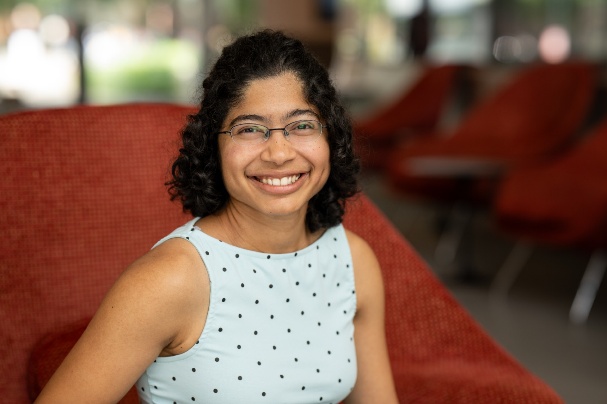
Dr. Meenakshi Asokan studies how hormones such as estrogen remodel neural computations to support adaptive behavior. This is particularly relevant during major hormonal transitions, such as pregnancy, postpartum, and perimenopause, which are accompanied by changes in behavior and increased vulnerability to mood disorders. In her current work, she combines machine-learning tools to quantify social behavior with longitudinal large-scale neural recordings from hundreds of neurons in the medial prefrontal cortex, a brain region involved in decision-making and flexible behavior. She tracks how female mice interact with male and female conspecifics across different estrogen states, examining how hormonal changes influence social preferences and persistence. Her recent findings show that higher estrogen promotes more persistent patterns of both neural activity and social behavior, in part by altering how neurons coordinate their activity. This work reveals how hormonal state can shift the brain between persistent and flexible modes of processing information, explaining how endocrine signals reshape neural computations to influence behavior.
“Why did you want to become a scientist, and when did you know this was your path?”
Growing up, I was fascinated by how the human body works, driven by a desire to understand the science behind it, and became increasingly fascinated by the brain through popular science books. I was drawn to applying quantitative approaches to biological questions, and my path to neuroscience was therefore interdisciplinary. I trained in electrical engineering, pursued a minor in biomedical engineering, and completed my undergraduate thesis in computational neuroscience. Research internships during my undergraduate years made it click – I realized how much joy and fulfillment I find in asking mechanistic questions about how the brain works, waking up every day with the opportunity to unravel its mysteries while pursuing discoveries with long-term translational and clinical value. Alongside science, feminism and equity have been enduring passions of mine, shaped by my experiences growing up as a woman in India. I care deeply about addressing gaps in scientific knowledge about women, and it is especially meaningful to bring these parallel interests together in my research on women’s mental health.
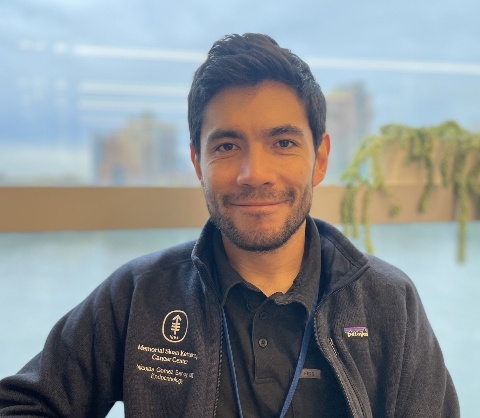
Dr Gómez-Banoy is an endocrinologist-scientist currently serving as an Instructor in Clinical Investigation at the Rockefeller University. He received his M.D. from the Universidad Nacional de Colombia in his native Bogotá, Colombia. He then developed postdoctoral work at Weill Cornell Medicine (WCM) studying pancreatic beta cell biology in diabetes. Following clinical training in Internal Medicine and Endocrinology at WCM, he joined the lab of Paul Cohen at Rockefeller to study the regulators of brown fat in humans using big data, machine learning, genetics, and organismal physiology.
“Why did you want to become a scientist, and when did you know this was your path?”
I knew I wanted to be a scientist since my first years in medical school, when I realized that therapies for metabolic diseases came from studying fundamental biology and understanding the underlying mechanisms of these disorders. This led me to pursue my dream of becoming both a physician and a scientist and seek opportunities abroad to received structured training as one.
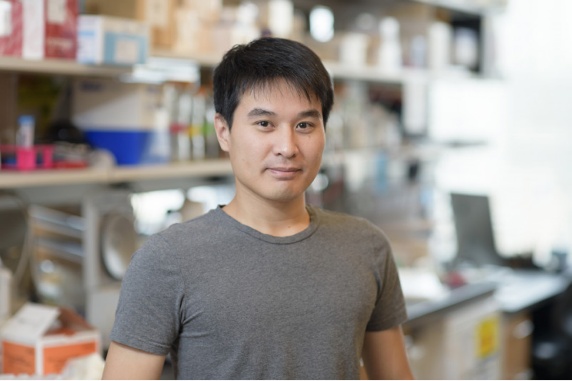
Dr. Yu-Jung Chen is a physician-scientist and postdoctoral researcher in the laboratory of Dr. Frederic Geissmann at Memorial Sloan Kettering Cancer Center. He received his medical degree from National Yang-Ming University in Taiwan and his Ph.D. from the Gerstner Sloan Kettering Graduate School of Biomedical Sciences, where he studied glioblastoma biology and developed novel therapeutic approaches for this aggressive brain cancer under the mentorship of Dr. Luis Parada. His current research focuses on understanding how tissue-resident macrophages interact with cancer cells and influence tumor progression, particularly in the brain and liver. By investigating the molecular mechanisms that govern macrophage antitumor activity, he aims to uncover fundamental principles of tumor immunity and identify new therapeutic strategies that harness the immune system to combat cancer.
“Why did you want to become a scientist and when did you know this was your path in life”
I knew I wanted to pursue biology as early as high school. During medical school, I began to appreciate both the power and limitations of modern medicine, and realized that meaningful advances in treating devastating diseases require a deeper understanding of their underlying biology. This motivated me to pursue fundamental research, particularly in cancers with poor prognoses. During my graduate training, I focused on glioblastoma, an aggressive brain cancer, and became fascinated by how advances in biological tools can uncover the mechanisms driving cancer and reveal new therapeutic opportunities. My research has since led me to explore the complex interactions between cancer cells and the immune system, particularly macrophages, whose remarkable diversity and plasticity remain incompletely understood. My long-term goal is to understand how different cancer mutations shape the tumor immune microenvironment and ultimately translate these discoveries into therapies that improve the lives of patients.
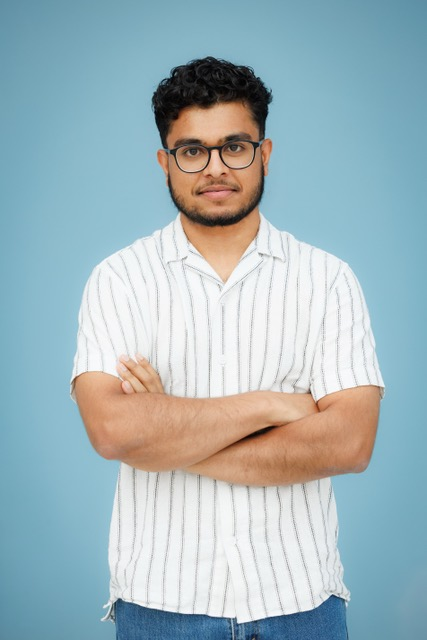
Dr. Denagamage’s research focuses on understanding how sensory and motor systems interact to produce perception and behavior. He earned a B.S. in Biology from the Pennsylvania State University, where he was a Millennium Scholar. He received his Ph.D. in Neuroscience from Yale University, where he studied peri-saccadic modulation of cortical circuits with Dr. Anirvan Nandy. He is currently a postdoctoral fellow in the labs of Dr. Gwyneth Card and Dr. Rudy Behnia at Columbia University’s Zuckerman Institute.
“Why did you want to become a scientist, and when did you know this was your path?”
I’ve been drawn to science for about as long as I can remember. Some of my early memories are of reading books about the solar system, or obsessively watching wildlife documentaries. Looking back, I think I was always captivated by the prospect of discovering more about the world. My interest in neuroscience started as an undergrad, when I had the chance to work in Dr. Ann Graybiel’s lab at MIT. I saw for the first time how much we still had left to learn about the brain, and its ability to produce behavior and experience. I was hooked.
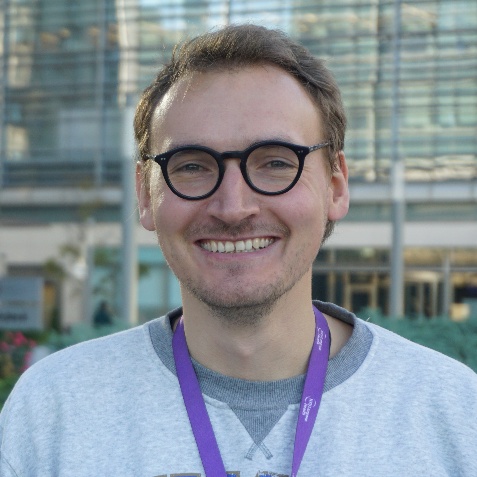
I am fascinated by the mechanisms that determine which genes are active in a given cell type. During my PhD at the VBC in Vienna, Austria, I studied enhancers, DNA sequences in the genome that help activate genes, and I investigated how multiple enhancer sequences work together to regulate the activity of a single gene. Enhancers depend on a class of proteins called transcription factors that recognize short stretches of a specific DNA sequence and control gene activity. For my postdoctoral research at NYU GSoM, I have shifted my focus towards these transcription factors, and I am trying to understand how two transcription factors that are highly similar and recognize identical DNA sequences nonetheless have very different biological functions.
“Why did you want to become a scientist, and when did you know this was your path?”
Already in high school, my favorite subjects were biology and chemistry. I was amazed by how the laws of chemistry shape life as we know it, and by the seemingly simple feedback mechanisms that allow cells and organisms to adjust to ever-changing environments. I decided to pursue a bachelor’s degree in Chemistry and Biochemistry and have not looked back ever since. The more I learnt about the ins and outs of how gene activity is regulated, the more I realized that pursuing my passion for this topic was the right path for me.
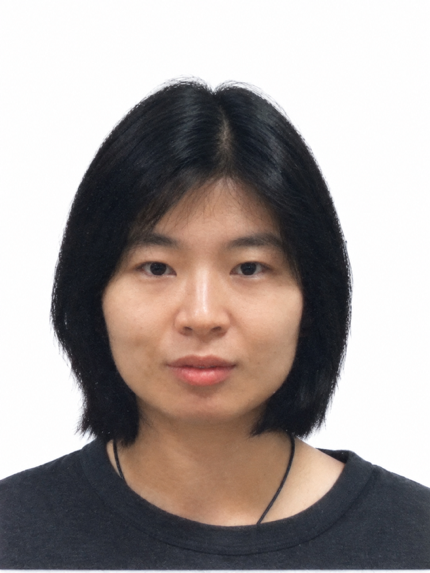
I am a postdoctoral fellow in the MacKinnon laboratory at The Rockefeller University. My research focuses on understanding the molecular organization and dynamic interactions of membrane proteins, particularly ion channels. Using structural biology, electrophysiology, and advanced fluorescence microscopy, I investigate how membrane proteins function and interact within cellular environments.
“Why did you want to become a scientist, and when did you know this was your path?”
I was drawn to science by curiosity about how biological systems work and the excitement of discovering something not yet understood. Through my research experience, I realized that I genuinely enjoy testing hypotheses, troubleshooting experiments, and exploring different approaches to answering scientific questions. I knew this was the right path for me when I discovered how rewarding it is to solve challenging problems and turn ambitious goals into reality.
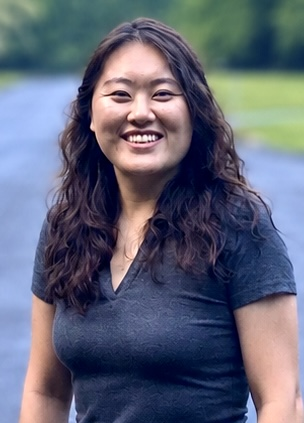
Dr. Zhe Zhou received her Ph.D. in Environmental Engineering from George Washington University, where her research focused on developing novel catalytic materials to address environmental challenges. She is currently a postdoctoral fellow in the laboratory of Dr. Stavroula Hatzios at Yale University’s Microbial Sciences Institute. Her research investigates how the gut microbiome transforms dietary and environmental chemicals and how these transformations influence human health and disease. She seeks to uncover the molecular mechanisms underlying microbial metabolism and its implications for inflammation and colorectal cancer.
“Why did you want to become a scientist, and when did you know this was your path?”
My interest in science began with a curiosity about how chemistry influences the environment. As my research evolved toward studying the gut microbiome, I became increasingly fascinated by the connections between environmental exposures and human health. What continues to inspire me as a scientist is the opportunity to explore unanswered questions.
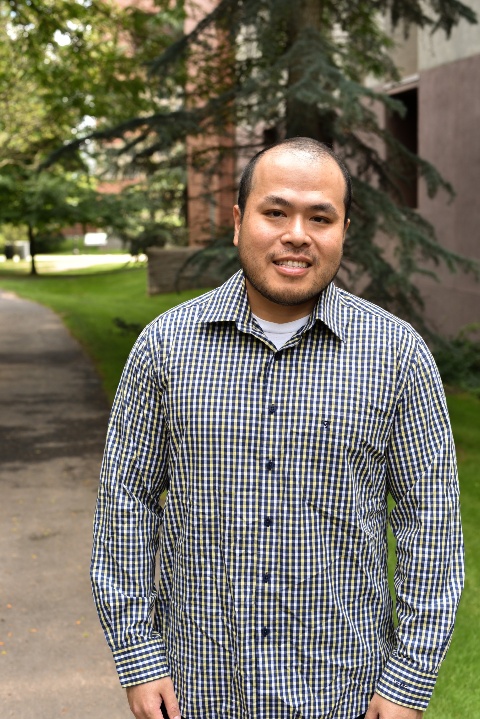
Dr. Nguyen received his bachelor’s degree from Georgia Institute of Technology. He earned his Ph.D. from the University of Florida, where he conducted research under the mentorship of Dr. Piyush Jain. His doctoral research focused on developing CRISPR-based genome-editing approaches to address genetic diseases, including cardiomyopathy. He currently conducts postdoctoral research under the mentorship of Dr. Cameron Myhrvold and Dr. Jared Toettcher at Princeton University, where his work lies at the intersection of synthetic biology and optogenetics. His research focuses on developing optogenetically controllable synthetic receptor tyrosine kinases (SynRTKs) to achieve precise spatial and temporal control of gene expression and cellular signaling. Through this work, he aims to develop a prototype for a fundamentally new cell-based therapeutic approach to accelerate wound healing.
“Why did you want to become a scientist, and when did you know this was your path?”
Growing up, I was always fascinated by the possibility of curing genetic diseases, particularly those that were once considered untreatable. I often wondered whether advances in science could one day make the seemingly impossible possible. During my undergraduate studies, I was introduced to CRISPR genome-editing technology, which fundamentally changed how I viewed the future of medicine. For the first time, I saw the potential to directly correct the genetic mutations responsible for inherited diseases. That was the moment I knew I wanted to pursue a career in science. Since then, I have been driven by the desire to develop innovative technologies that push the boundaries of what is possible and bring us closer to treating diseases once thought incurable.
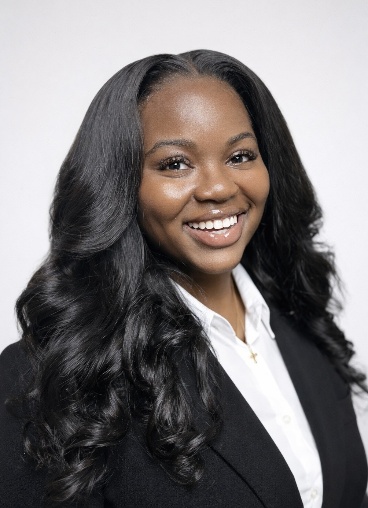
My research explores the question: What happens to our bodies when we carry the weight of life’s hardships, and what might help protect us? I investigate how cumulative psychosocial stress, including unfair treatment, financial strain, and challenging social environments, gets under the skin and shapes health at the molecular level. Specifically, my work examines how stress accumulated across the life course influences the conserved transcriptional response to adversity (CTRA), a pattern of gene expression associated with chronic stress, inflammation, and immune regulation. By uncovering the biological pathways that connect social experiences to health, I hope to inform more equitable approaches to preventing chronic disease and promoting well-being. At the heart of my work is a belief that understanding the burdens people carry is just as important as understanding what helps them thrive. Outside of research, you’ll likely find me in my garden, spending time with my family or at the gym.
“Why did you want to become a scientist, and when did you know this was your path?”
I’ve always been a deeply curious person, especially when it comes to science and understanding why things happen the way they do. Interestingly, I initially wanted to become a medical doctor, but over time, I realized that the impact I wanted to make went beyond treating individual patients, I wanted to answer complex questions that could inform change at the population level and improve health more broadly. I wasn’t entirely sure what that path would look like until my senior capstone presentation in college, when a professor told me she could see me becoming a scientist and a professor. That moment stayed with me, because she saw a possibility in me that I was still learning to recognize in myself. Looking back, it was a turning point that helped me envision a career where I could combine my curiosity, research, and commitment to improving people’s lives.
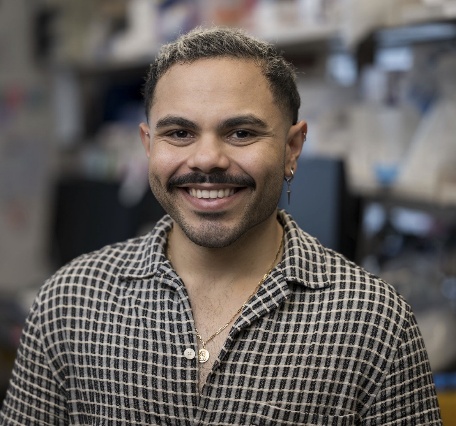
Christian Figueroa-Espada, PhD, is a Postdoctoral Fellow at the Icahn School of Medicine at Mount Sinai, where his research focuses on engineering immune cells and the signals that shape their behavior to improve cancer immunotherapy. He holds a BSc in Mechanical Engineering from the University of Puerto Rico at Mayagüez, where he began his research career working in biomicrofluidics and intracellular delivery. He later earned his PhD in Bioengineering from the University of Pennsylvania, where he developed lipid nanoparticle systems for RNA interference combination therapy to overcome drug resistance in multiple myeloma. His current work builds on this expertise to develop strategies for more precise and effective modulation of immune function in cancer. Christian has been recognized as a 2025 STAT Wunderkind, an NIH/NCI F99/K00 Fellow, an NSF Graduate Research Fellow, and a GEM Fellow. In addition to being a Burroughs Wellcome Fund Postdoctoral Enrichment Program awardee and Charles H. Revson Foundation Scholar, Christian was named a 2026 Emerging Leader in Cancer Immunotherapy by the Society for Immunotherapy of Cancer.
“Why did you want to become a scientist, and when did you know this was your path?”
Growing up, I did not know that becoming a scientist, or even attending college, was a path available to me. However, I was naturally drawn to chemistry, physics, and mathematics and excelled in them. Encouraged to consider medicine or pharmacy, I entered the University of Puerto Rico at Mayagüez as a chemistry major. As I moved through college, seeing cancer and other diseases affect people I loved made me increasingly certain that I wanted my work to contribute to how disease is treated. My interests also shifted as I learned more about biotechnology, gene therapy, and the possibility of using engineering to design new ways of intervening in disease. I became especially drawn to bioengineering because it brought together the science I enjoyed with the ability to build technologies with a direct therapeutic purpose. That interest became concrete when I joined a bioengineering project in the Department of Mechanical Engineering. There, I co-led the design of a microfluidic device for single-cell electroporation to deliver macromolecules into selected cells while minimizing the damage associated with bulk electroporation. That experience changed how I thought about science and about the role I wanted to have in medicine. I realized that I did not only want to work with the therapies that already existed. I wanted to help create what came next, to ask why a therapy could not reach a particular cell or tissue and then build a way to make it possible. That realization led me to a question that has shaped my research ever since: if we could achieve cellular precision with a device outside the body, how could we achieve that same precision inside the body? That question drew me to drug delivery and biomaterials and, ultimately, to a career developing technologies to make therapies more precise and effective.
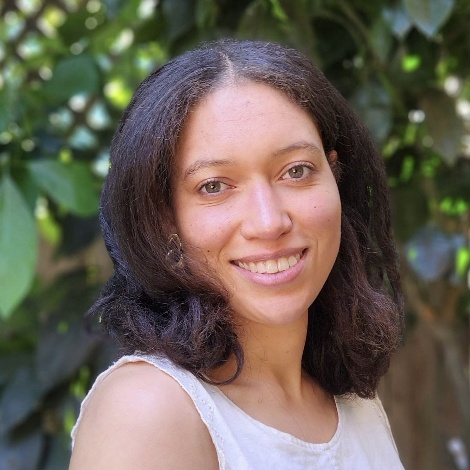
I was born in Richmond, VA and raised nearby in Hanover County. I obtained my B.S. in chemistry from the College of William and Mary in Williamsburg, VA in 2016. Immediately after college I joined a computational structural biology lab (Dr. Lucy Forrest) at the NIH as a post-bacc. Two years later I started my PhD in biophysics at the University of California, San Francisco (UCSF) where I was advised by Dr. Michael Grabe. Since college I’ve specialized in using molecular dynamics simulations to investigate the mechanisms of membrane proteins with an emphasis on how they transport ions and lipids. Now as a postdoc supervised by the Latorraca and Gonzalez Labs at Columbia University Irving Medical Center (CUIMC) I am training in single-molecule biophysics to directly observe the conformational dynamics of G protein–coupled receptors in order to develop tools to facilitate the development of new cancer-targeting therapies. Outside of the lab I enjoy playing tennis, baking, and taking long walks with my daughter and dog.
“Why did you want to become a scientist and when did you know this was your path in life?”
I think I’ve always been meant for science. Throughout childhood, and to the dismay of my parents, I would frequently destroy or modify objects in the house to figure out how they worked. But as an undergraduate I made the mistake of comparing myself to my colleagues who were planning to pursue PhDs and didn’t think I was good enough to be a professional scientist like them. Fortunately, one of my undergraduate mentors, the only Black woman in the biology department at the time, encouraged me to pursue what I enjoyed and forget the rest. Her words have stuck with me ever since are the reason I’m a scientist still today.
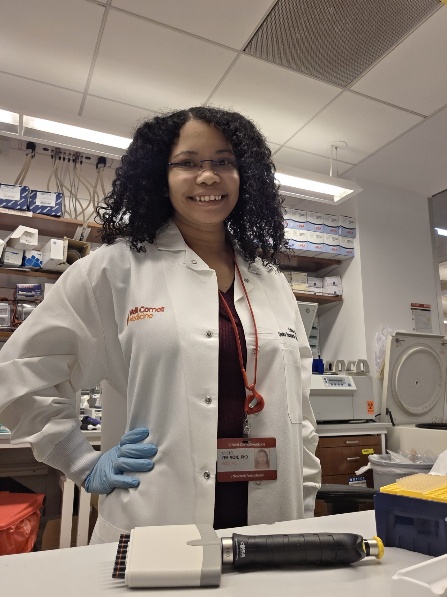
I’m Kristel Yee Mon, born and raised in Trinidad and Tobago in the Caribbean and I came to the US to pursue my undergraduate bachelor’s degree in biology & chemistry at New York Institute of Technology with my neuroscience research at MIT, CUNY and Columbia. I then moved on to my graduate degree at Cornell University where I switched fields and did my PhD in Immunology & Infectious Diseases studying neonatal T cells then moved onto my postdoctoral associate position in Medicine at Weill Cornell Medicine studying the translational intersection of innate and adaptive immunity specifically alternate cross presentation pathways by dendritic cells to CD8 T cells in cancer and influenza & coronavirus infection. My. overarching goal is to design a pan hCoV vaccine. Along the way of my career, I became a mother to a wonderful little boy and rediscovered my love for hiking, waterfall chasing, traveling and student science outreach to teach the next generation about bench science and STEM.
“Why did you want to become a scientist, and when did you know this was your path?”
I knew early on that I loved Science, a seed planted by my mother who was a chemist and science educator for 40 years back in my home country. I only truly realized it was my path when I was a freshman in college and started understanding through self-reflection that I had an aptitude for the scientific process and experiment design and overall was more interested in the questions of How? and Why? rooted in biological concepts and how this can be used to help patients and people. Becoming a scientist solidified in my mind when I lost my mom during graduate school to colon cancer and realized that my research can be used to treat cancer, help other families through difficult times and even educate the next generation of student researchers about designing translational work. I became a scientist because I felt like I could institute some level of change on a personal level through my work itself and by educating others to empower them to do research as well.
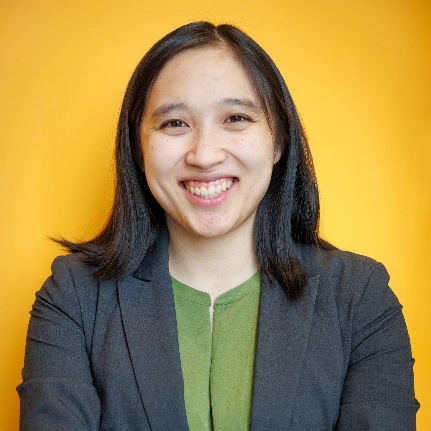
Jessica is a Simons Junior Fellow and Kanzer Postdoctoral Fellow at the Zuckerman Institute at Columbia University. She caught the research bug as a University of Toronto undergraduate while studying bumble bee behaviour and distribution at the Rocky Mountain Biological Laboratory in Colorado, and she has been fascinated by insect behaviour ever since. During her PhD with Dr. Carolyn McBride in the Department of Ecology and Evolutionary Biology at Princeton University, she studied the evolution of human-specialist Aedes aegypti mosquitoes, focusing on the chemistry of human and animal odours. As a postdoc with Dr. Gwyneth Card at Columbia, Jessica has switched her research focus from mosquito olfaction to Drosophila fly vision. She is exploring how ecologically relevant visual stimuli are processed by special feature-detecting neurons and their downstream partners. Throughout her scientific career, Jessica has been especially drawn to studying both the ‘how’ and the ‘why’ of natural animal behaviours, striving to understand their mechanistic basis as well as their ecological and evolutionary context.
“Why did you want to become a scientist, and when did you know this was your path?”
One of my favourite parts of doing science is the excitement of solving new puzzles in creative ways. This is what first drew me to consider a scientific career as an undergraduate student. Since then, I’ve also gained a lot of satisfaction from fostering the growth of junior scientists. I continue to be motivated every day by the thrill of exercising my ingenuity and watching younger colleagues discover the joy of science for themselves.